
The Future of Charrettes: Resilience, Housing & AI
By Brian Pratt
As we mark our 30th year facilitating design charrettes, we have seen a notable evolution in what communities need and expect from the planning process. While the core spirit of collaborative visioning remains unchanged, modern charrettes are addressing a far more complex set of challenges. Today, communities are prioritizing climate resilience, missing-middle housing, deeper and more accessible public engagement, and the integration of emerging tools like AI.
Grounding Community Vision in Climate Reality
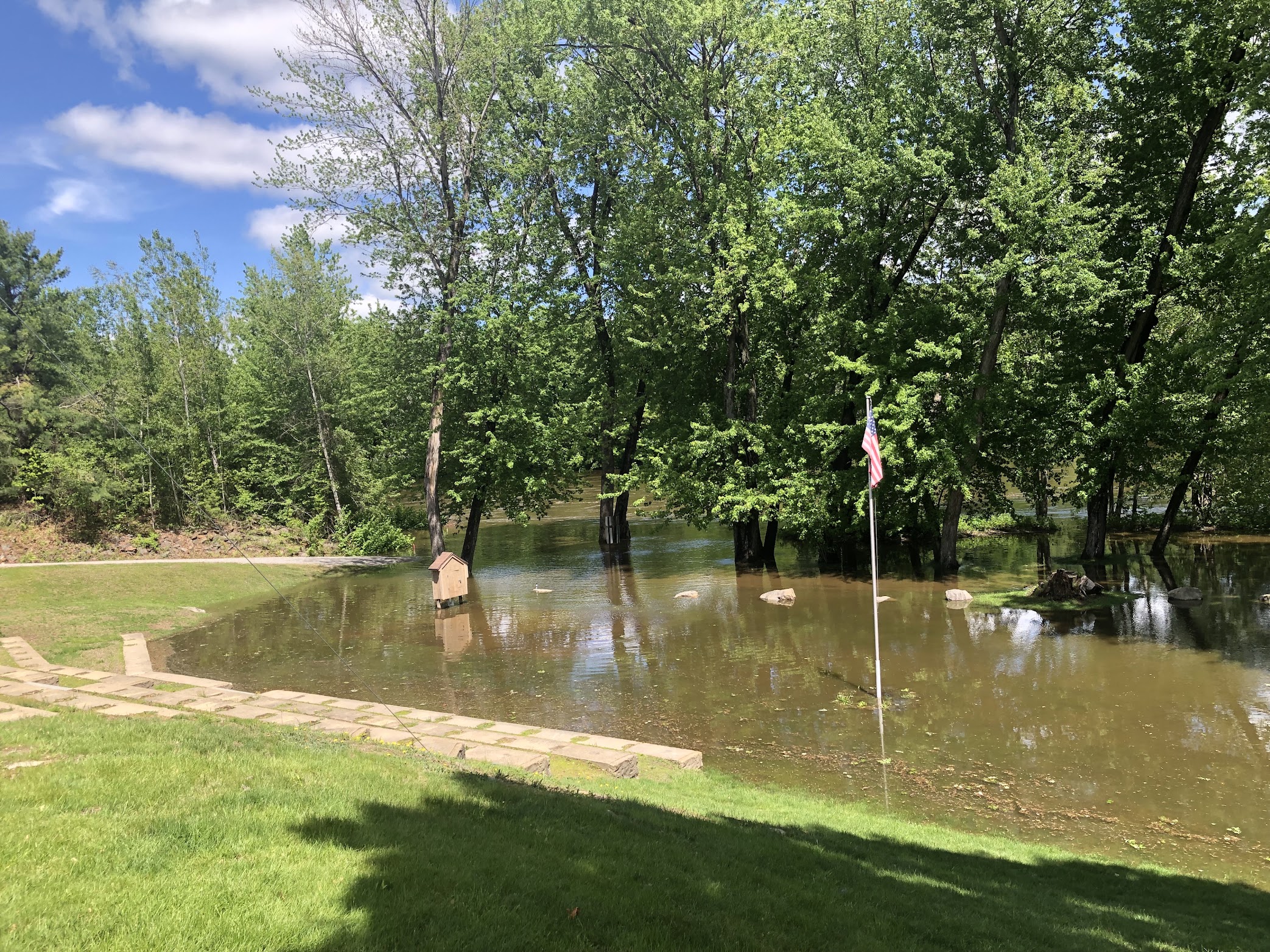
Designing a resilient downtown begins with confronting the realities of our changing environment:
- Rising Global Temperatures: Warmer baseline temperatures strain municipal energy grids, elevate urban heat island effects, and alter regional hydrology.
- Unprecedented Carbon Levels: Atmospheric greenhouse gases continue to trap heat at record levels, driving long-term shifts in baseline weather patterns.
- Amplified Storm Frequency & Intensity: Warmer air holds more moisture, resulting in more severe precipitation events, localized flash flooding, and higher storm surges.
- Human-Driven Impacts: Because human development directly shapes local microclimates and watershed behavior, our built solutions must actively counter these impacts.
Translating Resilience into the Built Environment

Climate resilience cannot just be a theoretical goal; it must be engineered into every site plan and zoning recommendation. During our charrettes, we work directly with municipal stakeholders, business owners, and residents to map existing vulnerabilities, especially in study areas along tidal rivers and within 100-year floodplains that have already experienced repeated high-water events.
Responsible development within flood-prone corridors is possible when designs work with water rather than fighting it. In recent charrette concepts, our teams have integrated actionable mitigation strategies:
- Submersible Public Amenities: Designing civic park spaces, boardwalks, and recreational fixtures with resilient materials and anchoring systems engineered to withstand periodic inundation without structural failure.
- Living Shorelines & Nature-Based Buffers: Replacing hardened seawalls and riprap with vegetated shorelines that stabilize banks, absorb wave energy, and naturally filter runoff.
- Multi-Benefit Green Infrastructure: Designing open green spaces, bioswales, and rain gardens that serve as community parks in dry weather and function as critical detention basins during peak storms.
- Future-Proofed Utility Capacity: Recommending right-sized stormwater conveyance and culverts capable of handling at least 100-year storm thresholds, ensuring civic investments remain durable for decades to come.
Addressing the Housing Crisis Through Smarter Zoning 

Over the past few years, as New Hampshire’s housing crisis has intensified, housing has emerged as a central focus of our charrettes. Vibrant downtowns where people can live, work, and play depend on accessible homes. One of our most impactful evolutions has been partnering with New Hampshire Housing (NH Housing) to collaborate directly on Housing Opportunity Planning (HOP) Grants.
What is a HOP Grant?
A HOP Grant provides state-backed funding to local municipalities looking to modernize outdated zoning and land-use regulations. The core objective is straightforward: empower towns and cities to eliminate barriers to housing development, especially workforce and affordable options.
Across the state, NH Housing has awarded 103 HOP Grants to 73 communities. Through this initiative, participating municipalities were encouraged to apply to Plan NH for a subsidized charrette to carry the HOP momentum forward. Four communities engaged in our HOP Charrette program across 2025 and 2026, with at least two more slated for 2027.
These charrettes zero in on downtown, commercial, and mixed-use corridors—recommending zoning updates that support higher residential density, reduced parking minimums, and flexible uses to foster walkable, resilient communities.
How AI Will—and Won’t—Change the Process
Looking ahead, artificial intelligence will fundamentally change the logistics—though not the spirit—of community design charrettes.
- Faster Baseline Research: Instead of spending weeks assembling baselines, planning teams can use AI to analyze local zoning, traffic patterns, and housing data in minutes.
- Visualize in Real Time: During public listening sessions, text-to-image visualization tools will allow residents to see their own ideas rendered in real time, bridging the gap between abstract planning jargon and tangible town character.
- Enhance Public Input: AI can quickly synthesize hundreds of community comments to ensure every voice at the table is heard.
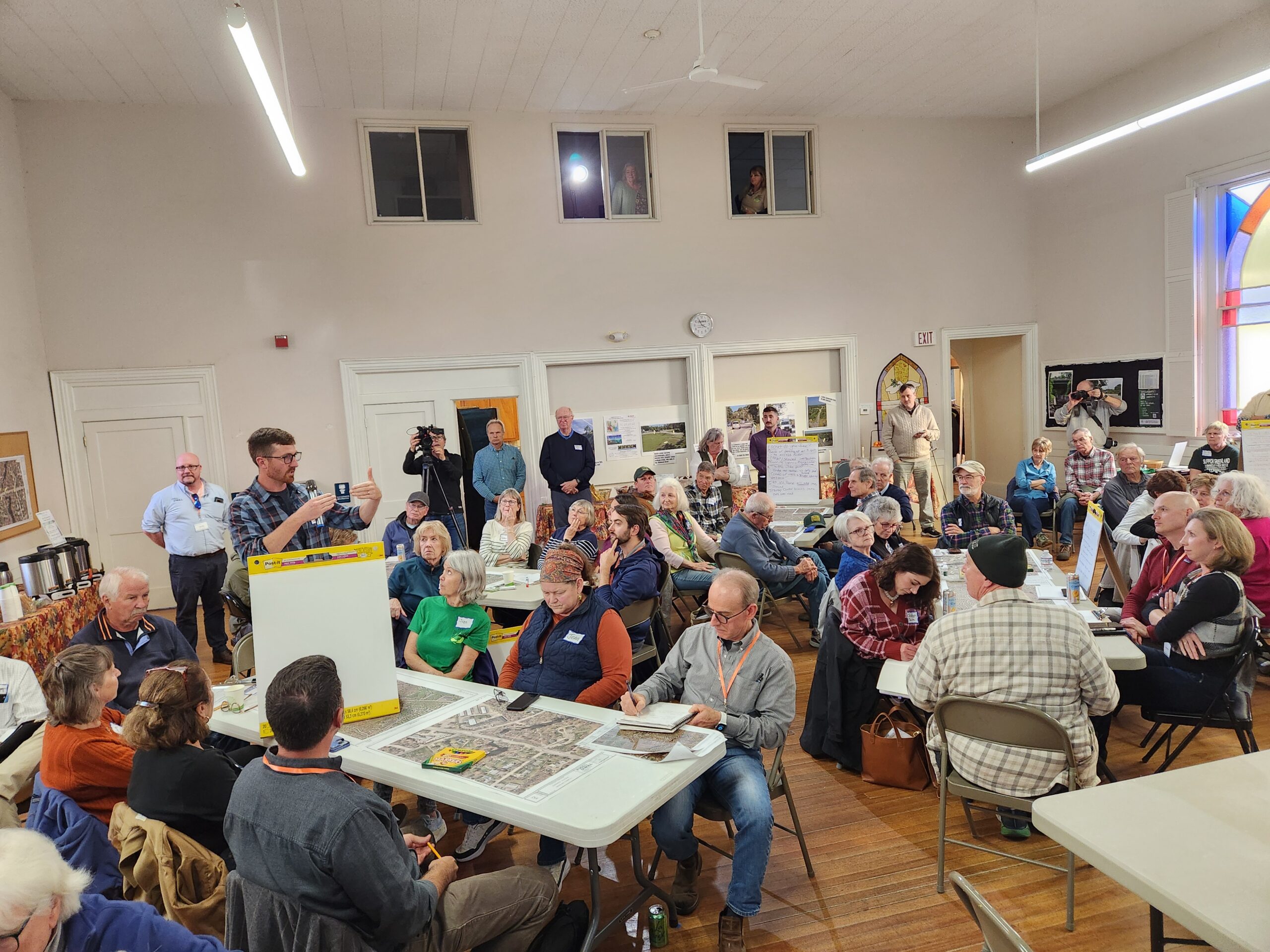
Yet technology remains merely a pencil. The true power of a Plan NH charrette will always belong to the neighbors who gather in a school gym or town hall to listen to one another and shape a shared future for their community.